PSLE and DSA Under Review as MOE's Education Conversations Begin
The Ministry of Education (MOE) held its first public engagement session on June 27, and two familiar names came up early: the PSLE and the Direct School Admission (DSA) scheme.
It’s the start of a multi-year listening exercise. Here’s what was discussed, and how you can take part.
What happened
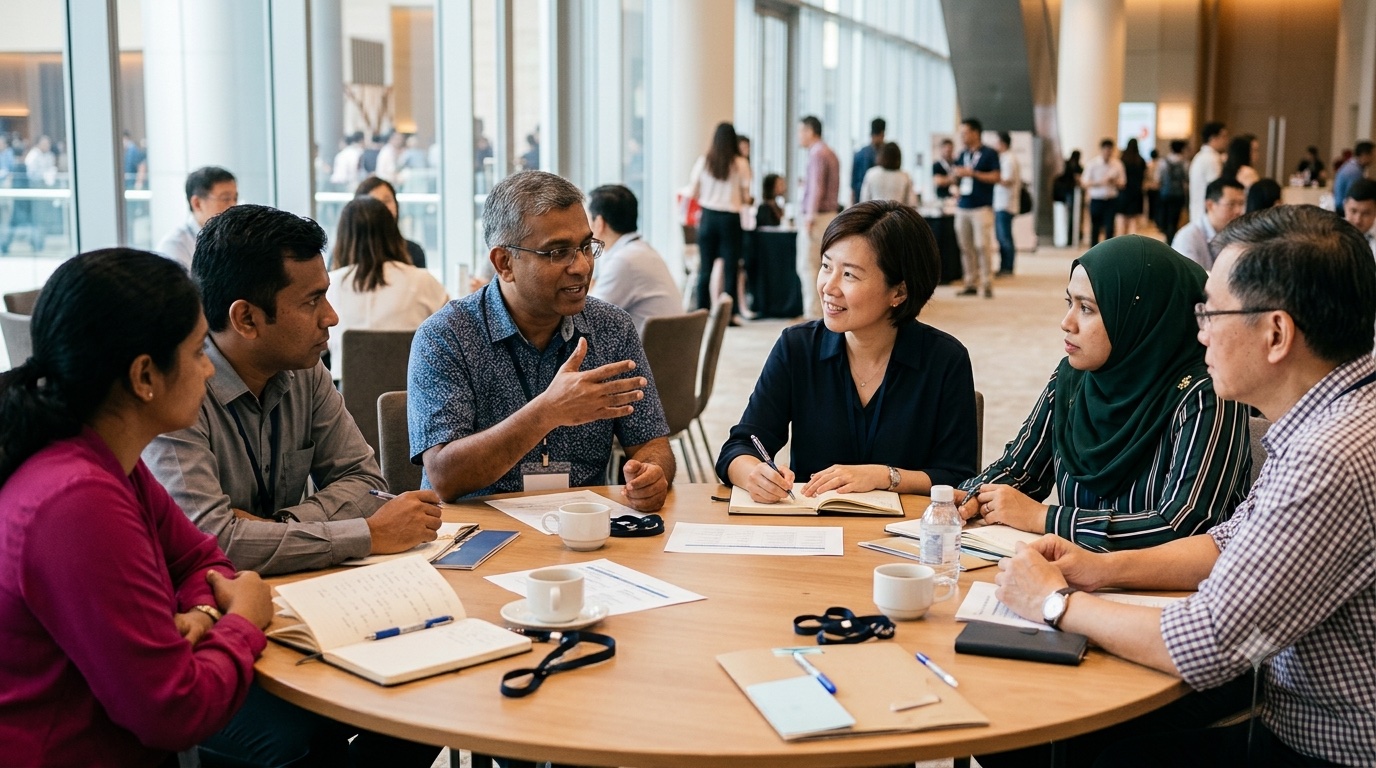
About 160 people gathered at Suntec Singapore Convention and Exhibition Centre for a three-hour session led by Education Minister Desmond Lee. The group included parents, educators, students, academics and industry leaders.
The session was closed to media. In his closing remarks, Lee said the ministry will study every suggestion carefully and give an update when it’s ready.
This is the first public instalment of MOE’s “education conversations”, a series meant to relook the system and curb the education arms race.
What’s on the table
A few big topics came up at the session:
- Moderating exam stakes: including how the PSLE is used for Secondary 1 posting.
- Reviewing the DSA scheme: the route that lets students enter secondary schools based on talents and strengths before PSLE results.
- Strengthening Character and Citizenship Education (CCE): values and life skills, not just grades.
- Co-curricular activities (CCA): the role they play in a well-rounded education.
None of this is a policy change yet. These are the questions MOE is putting on the table for discussion.
Why MOE is doing this
The recurring theme is pressure. Participants asked how to tell apart the different purposes of exams, and how to shift the fixation from grades to skills and values that matter more in life.
MOE started preliminary conversations in April with focus groups of educators, parents, students and young working adults. Lee said some praised how schools have evolved toward holistic development, while others flagged concerns about high-stakes exams like the PSLE: the pressure that builds around them, what they test, and how they’re used.
On fairness, Lee said:
They asked whether every child, regardless of background or resources, can get a fair chance to develop their strengths.
What participants said
Darryl David, the Ang Mo Kio GRC MP who chairs the Government Parliamentary Committee for Education, said his group focused on revamping the curriculum and supporting teachers to do it. He wants schooling to build skills like collaboration, resilience, communication and adaptability. On the PSLE, he noted:
At 12, kids aren’t fully emotionally and mentally formed yet.
Constance Han, 23, offered herself as proof that PSLE results don’t fix a child’s path. She went from the Normal (Academic) stream to ITE, then Singapore Polytechnic, and is now an undergraduate at Nanyang Technological University.
We are in school to learn, not to compete with each other.
Elina Gwee, 48, a mother of two, took a relaxed approach because her children learn differently. Her hands-on son found his passion for mechatronics at Tampines Secondary and will study it at SUTD after National Service; her daughter is a Sec 1 student at Raffles Girls’ School.
I hope more parents see that there are many pathways, and children will still do well in life despite the route they take.
What it means for parents right now
Nothing changes for this year. The PSLE, Sec 1 posting and DSA all run as they do today. If you’re tracking secondary school cut-off points or this year’s PSLE score ranges, those still apply.
What’s worth noting is the direction of travel. This review sits alongside other recent shifts, like the end of the GEP and what replaces it from 2027, all pointing toward less emphasis on a single high-stakes marker.
If the pressure is what worries you, it’s a good moment to revisit how much of it is self-imposed. Our take on whether tuition is actually useful is one place to start.
How to take part
MOE’s political office holders will keep engaging parents, educators and stakeholders through public sessions running until 2027. Anyone can sign up for an in-person session.
- Sign up: educationconversations.moe.gov.sg
If you’ve ever had thoughts about the PSLE, DSA or exam stress, this is the channel built to hear them.