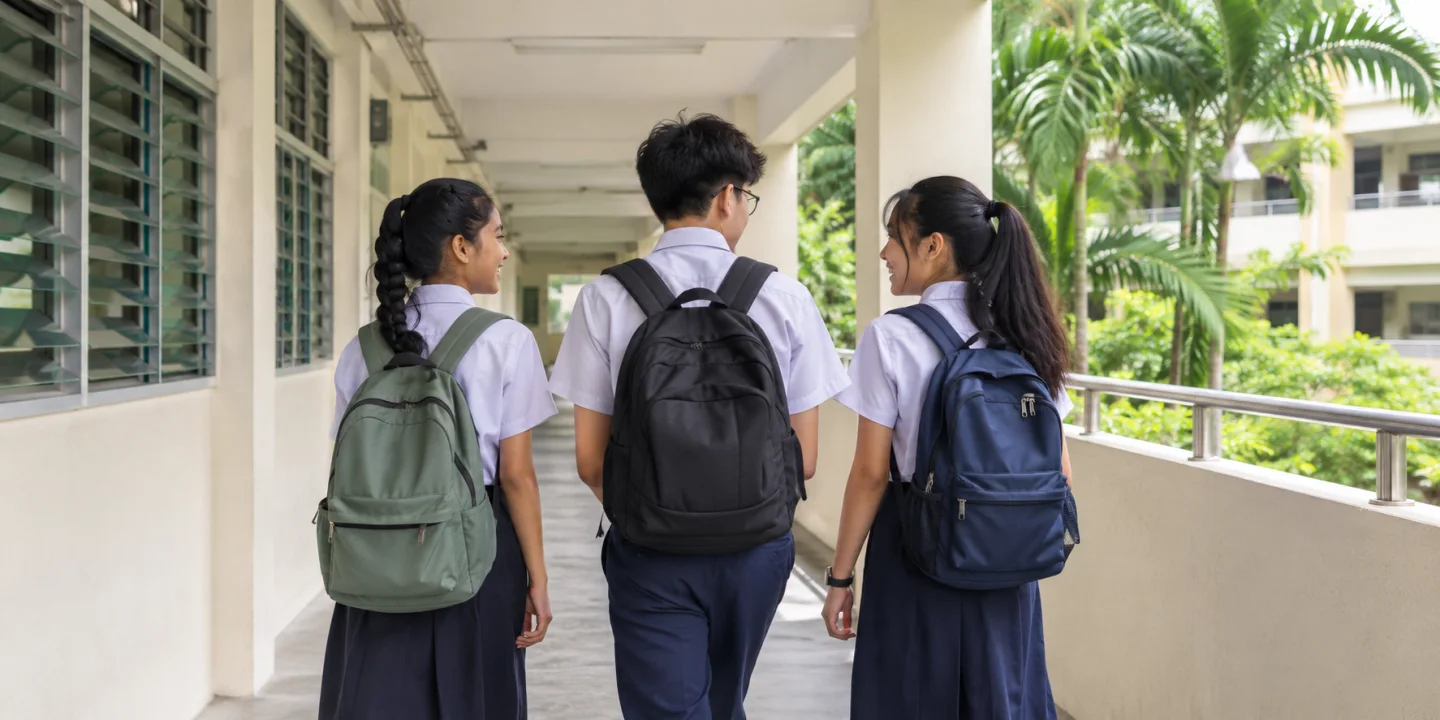
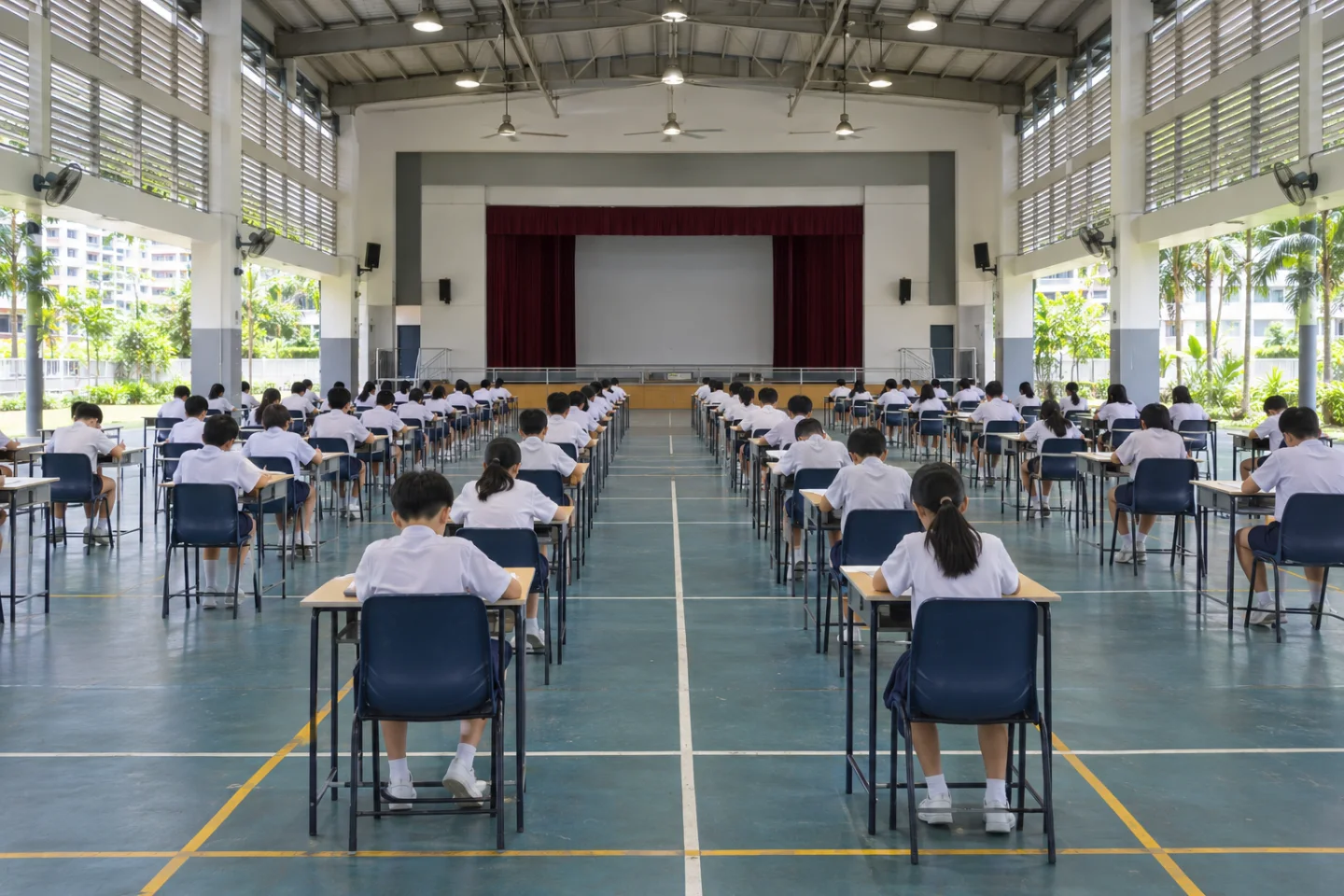
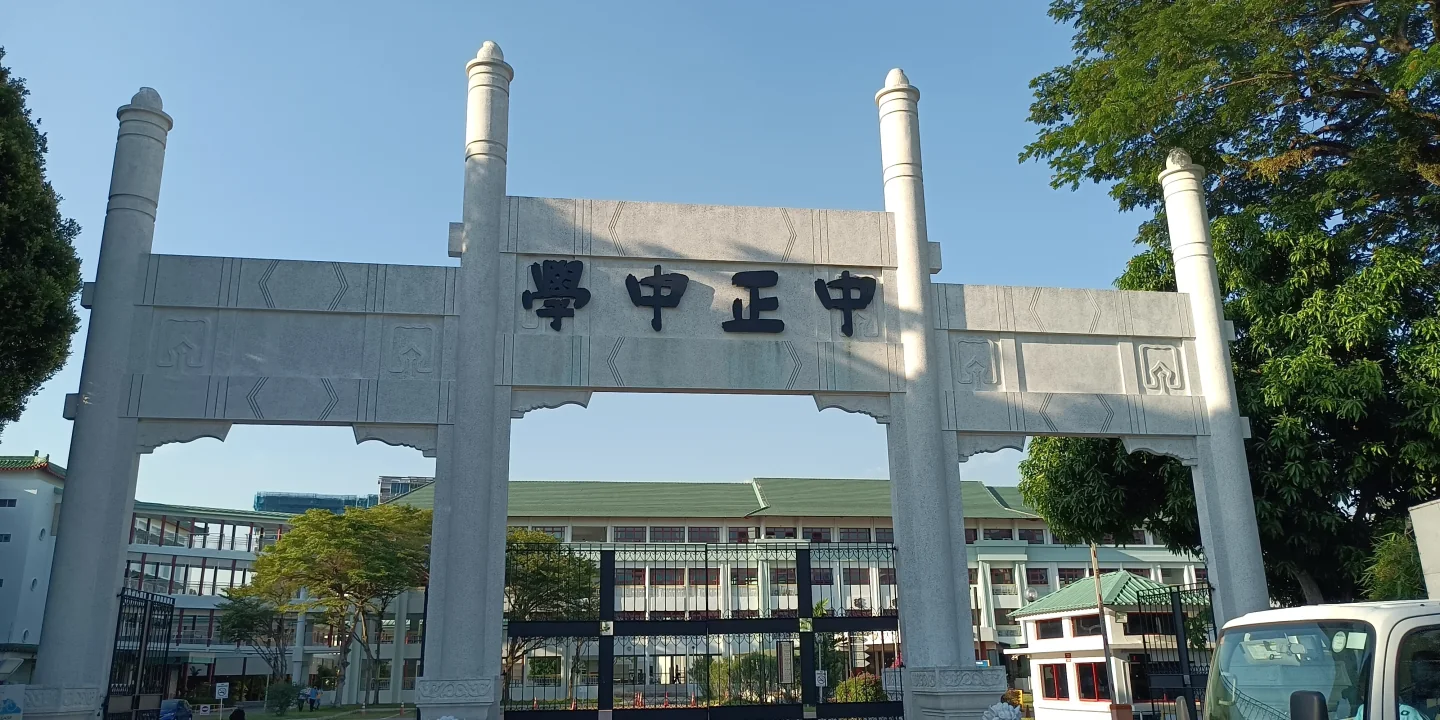
Secondary school experiences shared by students and parents
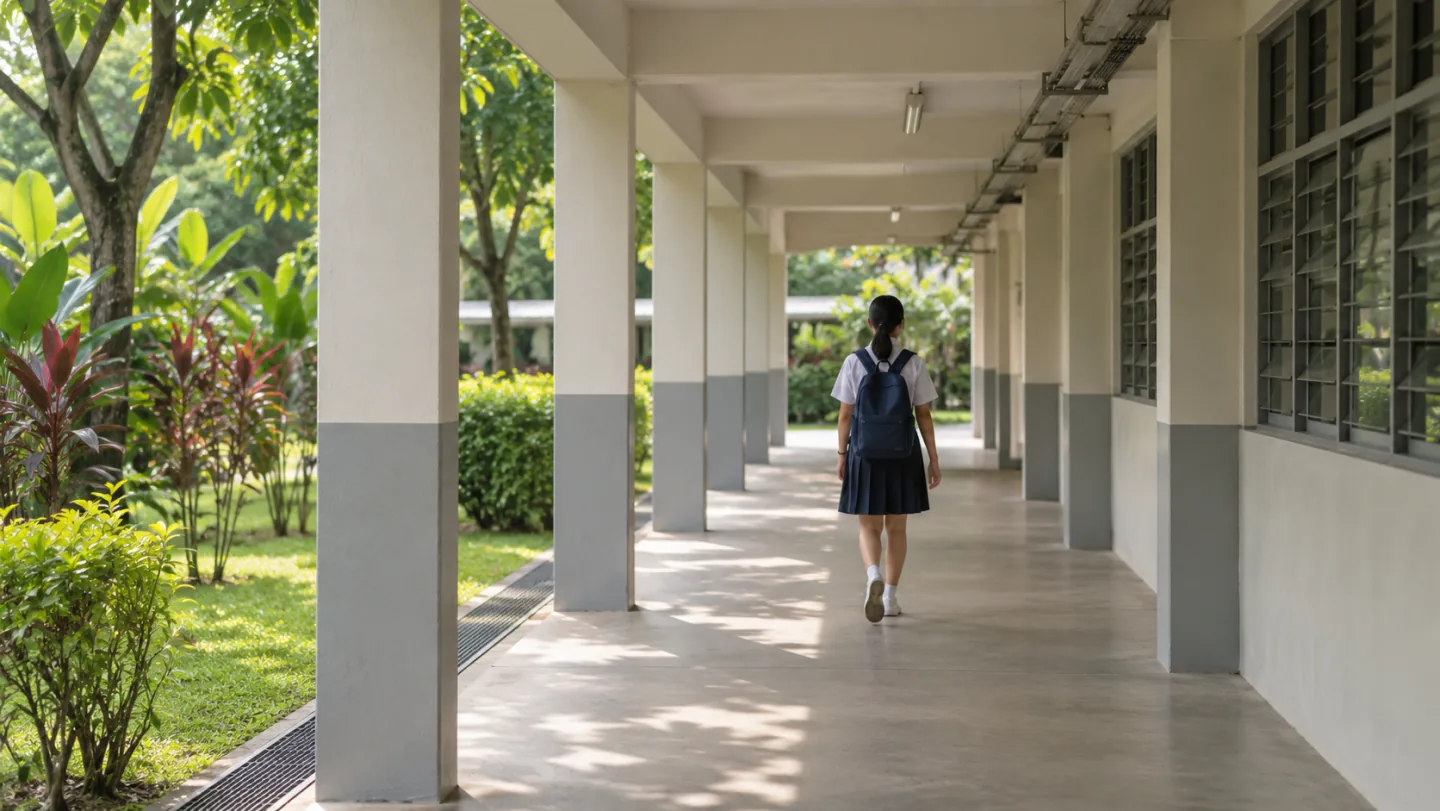
One student wanted to keep playing chess. Another found her footing at a school she’d put third. We’re collecting firsthand accounts from students and parents about what mattered when they chose a secondary school and what mattered once they got there.
As one SCGS parent pointed out, bad stories tend to travel further. Hearing the same account from different people can make an isolated incident sound common. Before you cross a school off your list, talk to a few people who’ve spent time there.
1. Missing the chess club
For this student, Commonwealth Secondary School had two things going for it. They could walk there, and they could keep playing chess.
Then they scored 258 under the old PSLE T-score system. Their mum thought that could get them into Raffles Institution or Chinese High (now part of Hwa Chong Institution). After some back and forth, the family settled on River Valley High School.
Once there, they struggled with Chinese and felt out of place. River Valley High had no chess club at the time, and after missing out on all their CCA choices, they spent 4 years in one they had little interest in. They scored 13 points for L1R5 and felt they’d fallen short of the school’s target of 10.
They still wonder how they’d have done at Commonwealth. They think they’d have been happier there, kept playing chess and made friends they’d still be in touch with today.
2. Thriving at her third choice
She put Chung Cheng High School (Yishun) first and got into her third choice, Yishun Town Secondary School. By the time Yishun Town held its open house, she was the emcee.
That first year, she also became a geography representative and helped organise class events. With help from her teachers and encouragement from her friends, she took first place at a YMCA public speaking competition, her parent said.
3. Finding friends and confidence
One girl had been quite reserved in primary school. After joining the Integrated Programme at Singapore Chinese Girls’ School, she found a group of friends and grew more confident about taking the lead, her parent said.
Another parent said their daughter, now in Year 2 of the programme, had been glad about her choice since day one. Along with good friends and teachers she liked, the school’s sabbatical programme gave her new things to try.
4. Following his older brother
After watching their older son grow more responsible over 4 years at St. Gabriel’s Secondary School, one family hoped his younger brother would go there too. He secured a place through Direct School Admission (DSA).
For another family in the same discussion, the routine was already taking shape in Sec 1. Their son loved his sports CCA enough to take 3 training sessions a week in his stride, and his parent found his form teachers caring.
5. CCAs and classroom support
At Nan Hua High School, a parent of a recent graduate noticed that many students were closest to the friends they made at CCA. Further down the road, subject choices mattered too. A relative of a student who entered through DSA found the Sec 3 combinations restrictive.
More than 20 years after graduating from Outram Secondary School, an alumnus still tells their children about the friends they made and remembers teachers who were happy to help. A current parent in the same thread described what that help can look like today. Lessons can move quickly, and some teachers make time for consultations or after-school group sessions.
At an open house, it’s easy to see which CCAs a school offers. Ask a student what they do in a typical session and where they go when they’re stuck in class. If your child has a subject in mind, check which Sec 3 combinations include it.
6. Year 1 at RGS
A Year 1 student at Raffles Girls’ School described a lesson that began before she entered the classroom. Students worked through a package on the Student Learning Space first, then went straight into questions in class. She shared that example in a Q&A about school life, in the same group her parents had turned to during her PSLE year.
Put the work off for a day, she found, and it could start to pile up. She felt there was enough guidance if she asked her teachers for help. Her advice was to revise regularly and keep an eye on your own progress.
Maths got harder in secondary school. Chinese was tough too, since she didn’t speak it at home and many of her classmates spoke it as their first language. She’d had tuition in all 4 subjects in primary school and was now getting help with Maths and Chinese.
She reckoned most of her classmates had tuition for at least one subject. Her best friend got through PSLE without it and was still managing on her own at RGS. Friends who came in through DSA for sports or special programmes seemed to be keeping up in class too.
The questions ranged from air-con (none in the classrooms she knew) to how students got along. She said the school stressed zero tolerance for bullying. Canteen queue-jumping and music played aloud could get on her nerves, but she still thought of those classmates as friends.
A parent with 2 daughters at RGS chipped in with examples of what the girls did in class. They wrote poems and personal reflections in English and filmed skits based on a novel for Chinese. The parent also said sports CCA trials could be tough for students who hadn’t competed in the National School Games.
When a parent asked how to get ready for PSLE, the student went back to the habits that had helped her. In Primary 5, she suggested getting the basics down and spotting weak areas early, especially in Science. Past PSLE papers helped her get used to Maths and Science questions in Primary 6, and a short English oral course gave her confidence. Her advice to parents was to keep the pressure manageable and make time to listen.